


Emcee Model 1152
Digital Conductivity Meter
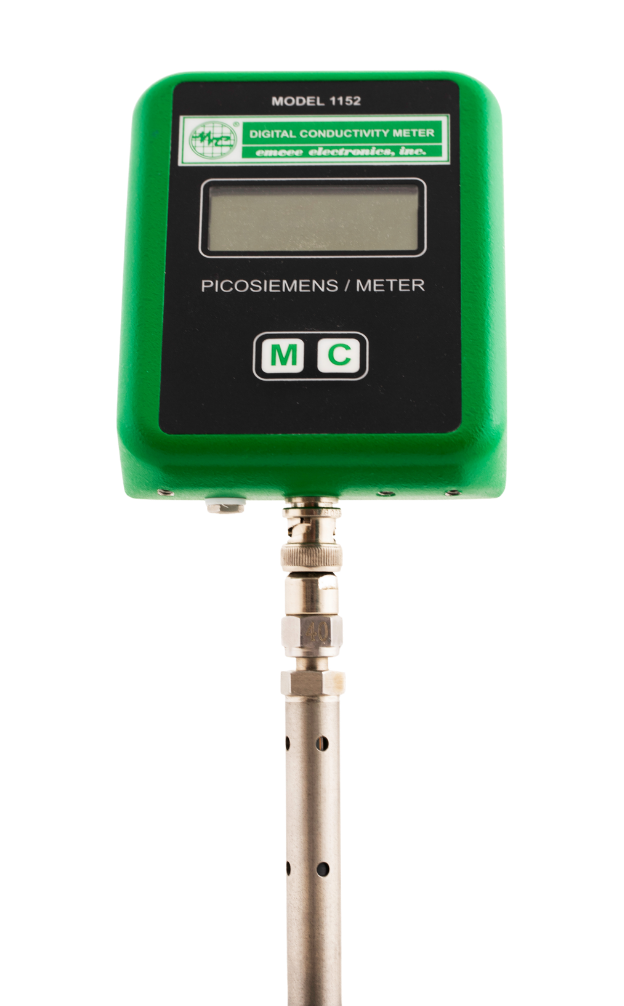

Intrinsically Safe Conductivity Measurement, From the Refinery to the Wing
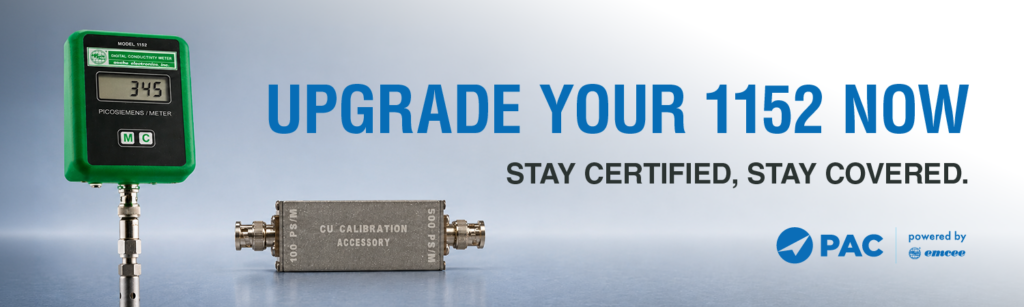
Upgrade Your 1152 Now - Stay Certified, Stay Covered
Take advantage of this limited-time trade-in offer and get the same trusted measurement, but more of everything else.
Product Overview
The Emcee Electronics Model 1152 Digital Conductivity Meter is a rugged, portable instrument designed to measure the electrical conductivity of fuels, solvents, paints, inks, and other industrial fluids. Originally developed for the hydrocarbon fuel industry — where low conductivity makes fuels susceptible to static charge buildup during high-rate pumping — the 1152 has since been adapted across a broad range of applications, from jet fuel safety testing at airports and fuel terminals to process control monitoring in industrial production environments.
The meter’s standard range spans 1 to 2,000 pS/m, with additional standard and non-standard ranges available up to 20 million pS/m, making it adaptable to a wide variety of fluid types and measurement requirements. Its self-contained, battery-powered design and approvals for intrinsically safe use in hazardous environments by Underwriters Laboratories (UL US, UL Canada) and LCIE (Europe) make it equally suited for controlled laboratory settings and demanding field conditions alike.
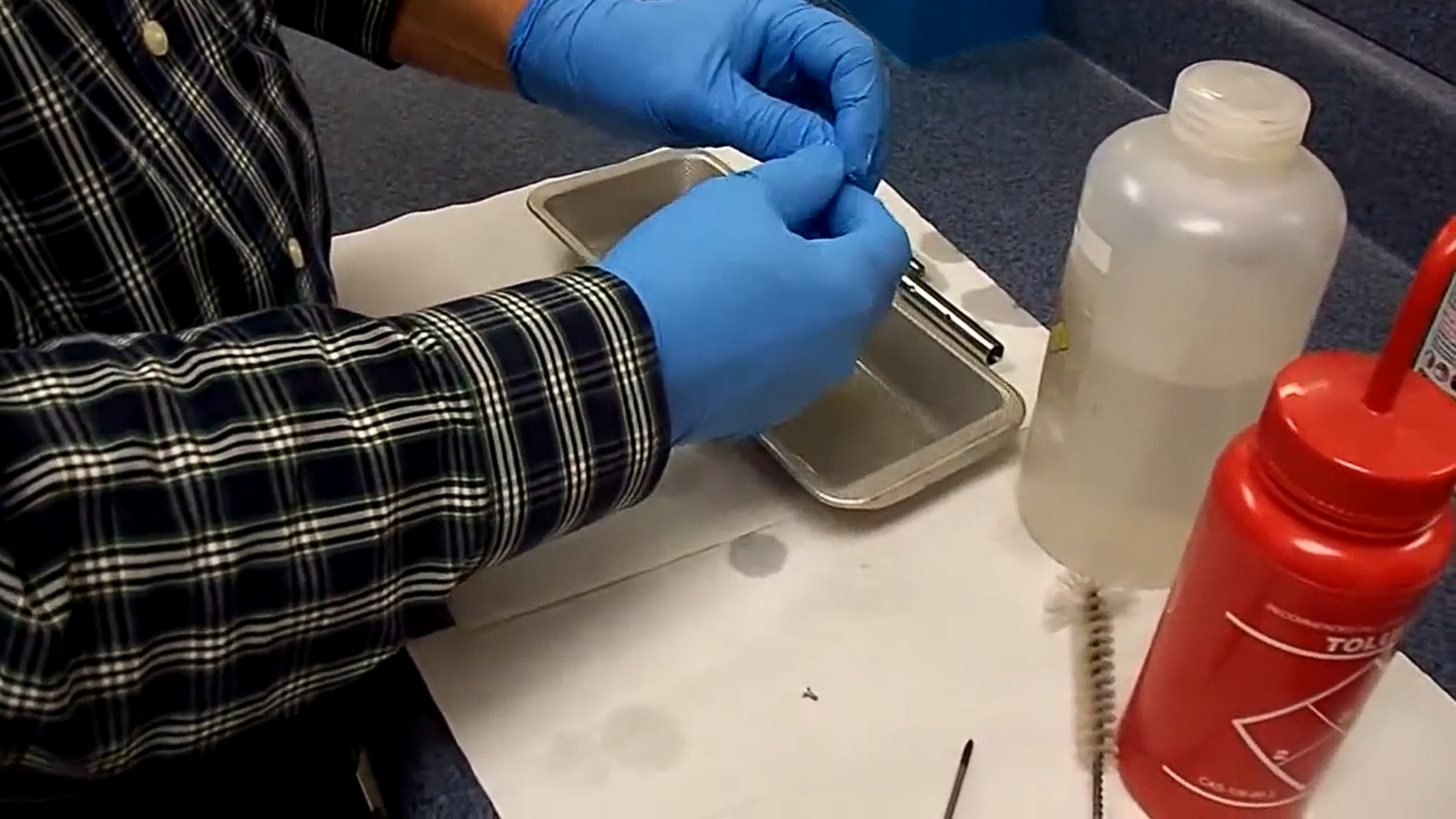
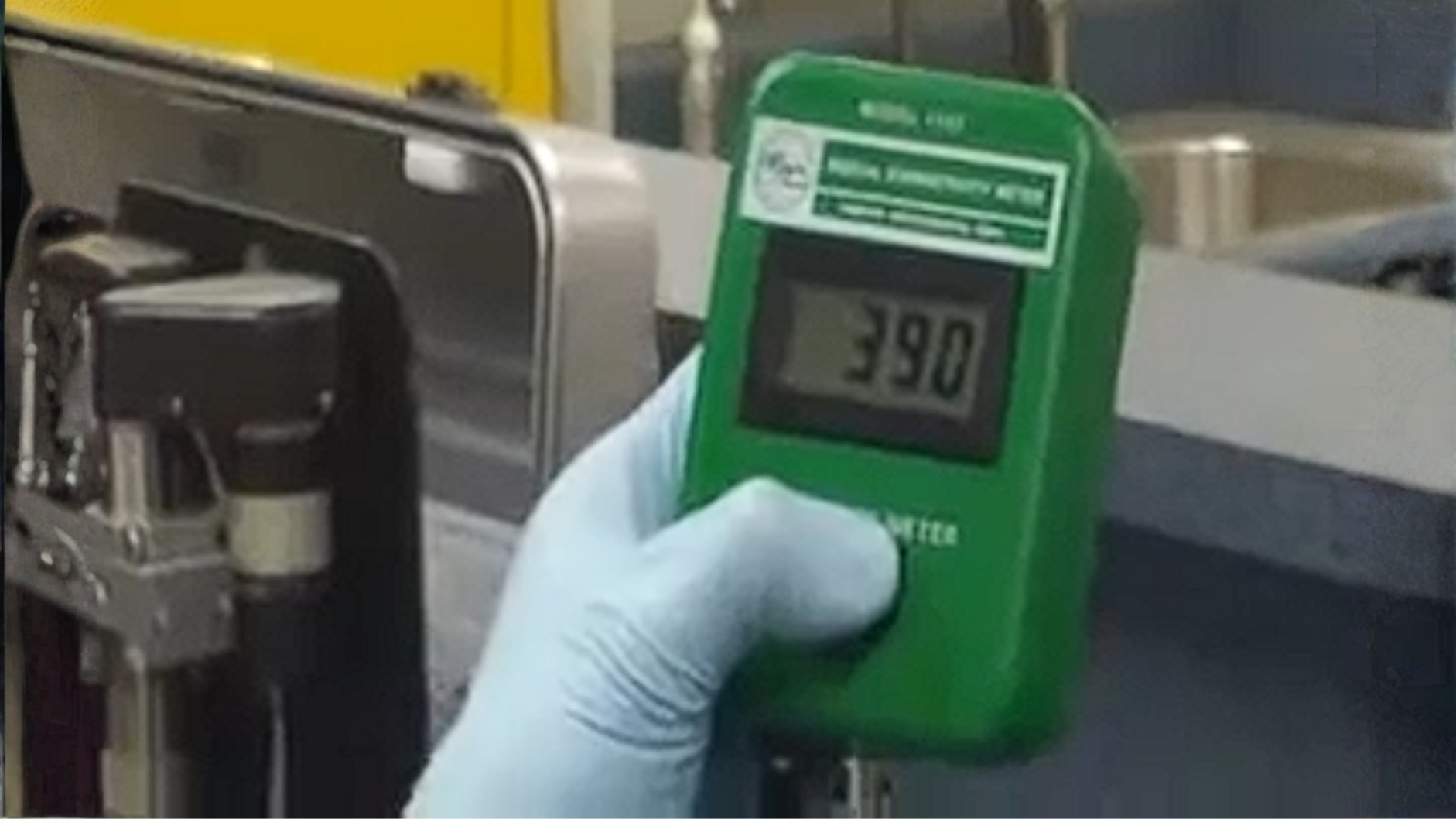
Key Features

Intrinsically Safe for Hazardous Environments

Versatile Measurement Range
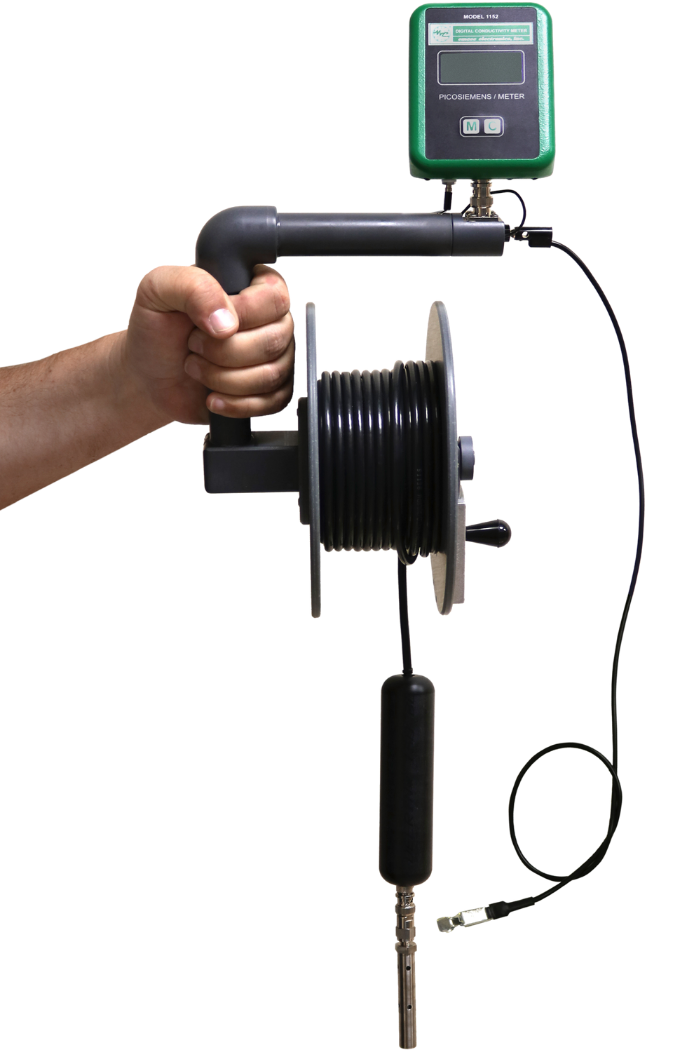

Field and Lab Ready

Simple, Reliable Operation
Specs
Standard Test Method
ASTM D2624
Standard Measurement Range
1 – 2,000 pS/m (increments of 1 pS/m)
Available Ranges
Up to 20,000,000 pS/m (multiple standard and non-standard options)
Display
Large digital liquid crystal display (LCD)
Calibration
Self-check calibration with field adjustment capability
Power
3 × Energizer No. A544 Alkaline (6V each)
Housing
Rugged cast aluminum with solvent-resistant paint coating
Probe
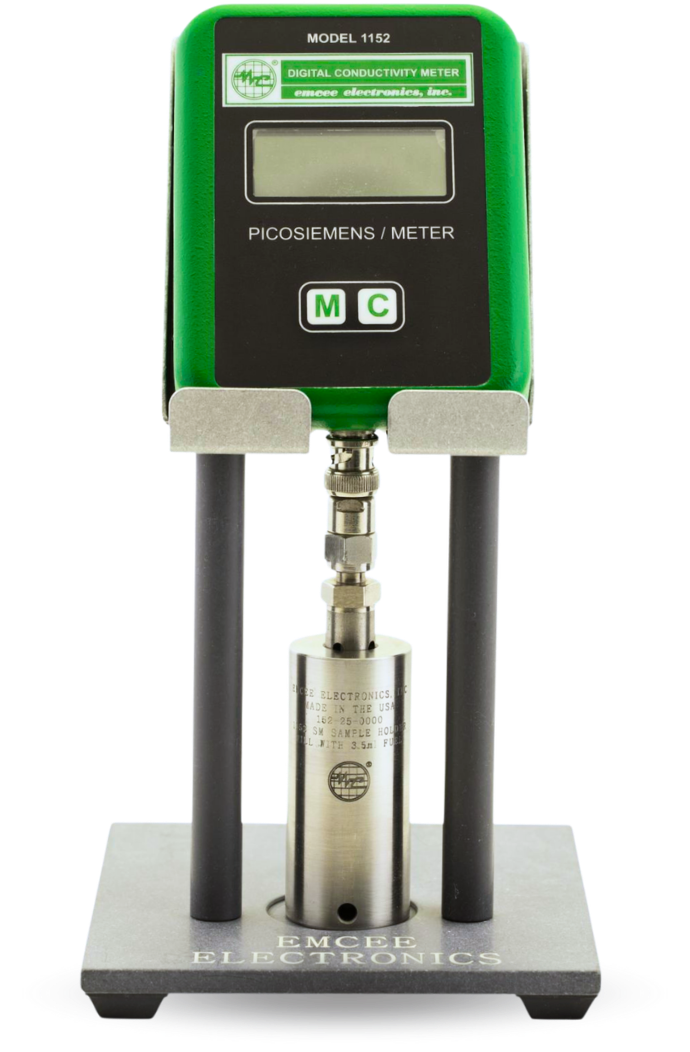
Detachable stainless steel, concentric electrode design
Field Accessories
Optional 50′ cable reel kit for tank and tanker truck measurement
Intrinsic Safety Approvals
UL (US), UL (Canada), LCIE (Europe); Class I Group D, Temp Code T4
Precision (0–2,000 pS/m range)
Repeatability: 4–10% of reading
Reproducibility: 12–30% of reading (per ASTM round robin)
Indicators
Automatic over-range and low battery
Applications & Safety
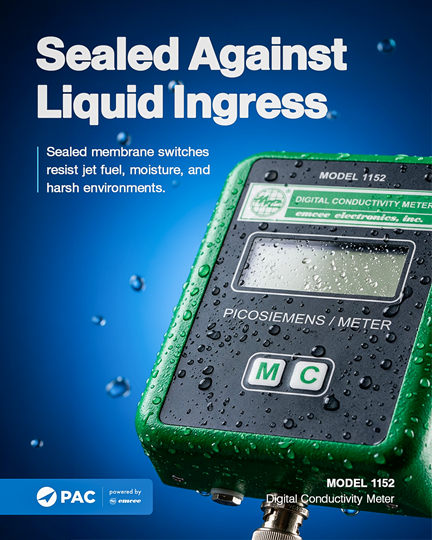
The Model 1152 was originally engineered to address a specific and serious safety concern: hydrocarbon fuels, particularly jet fuel, have inherently low electrical conductivity, which means they are prone to accumulating static charge – especially when pumped at high rates through filters. If that charge is not dissipated quickly, it creates a risk of ignition, explosion, or fire. The 1152 gives operators a fast, reliable way to measure a fuel’s ability to dissipate that charge before transfer or delivery, providing a critical layer of protection throughout the fuel supply chain.
Beyond its origins in fuel safety, the 1152’s stainless steel probe and multi-range design have made it a practical tool for process control applications well outside the petroleum industry. Its probe is largely unaffected by acidic and caustic solutions, making it suitable for monitoring conductivity during the production of paints, inks, coatings, and solvents – anywhere that consistent mixing and ingredient ratios matter.
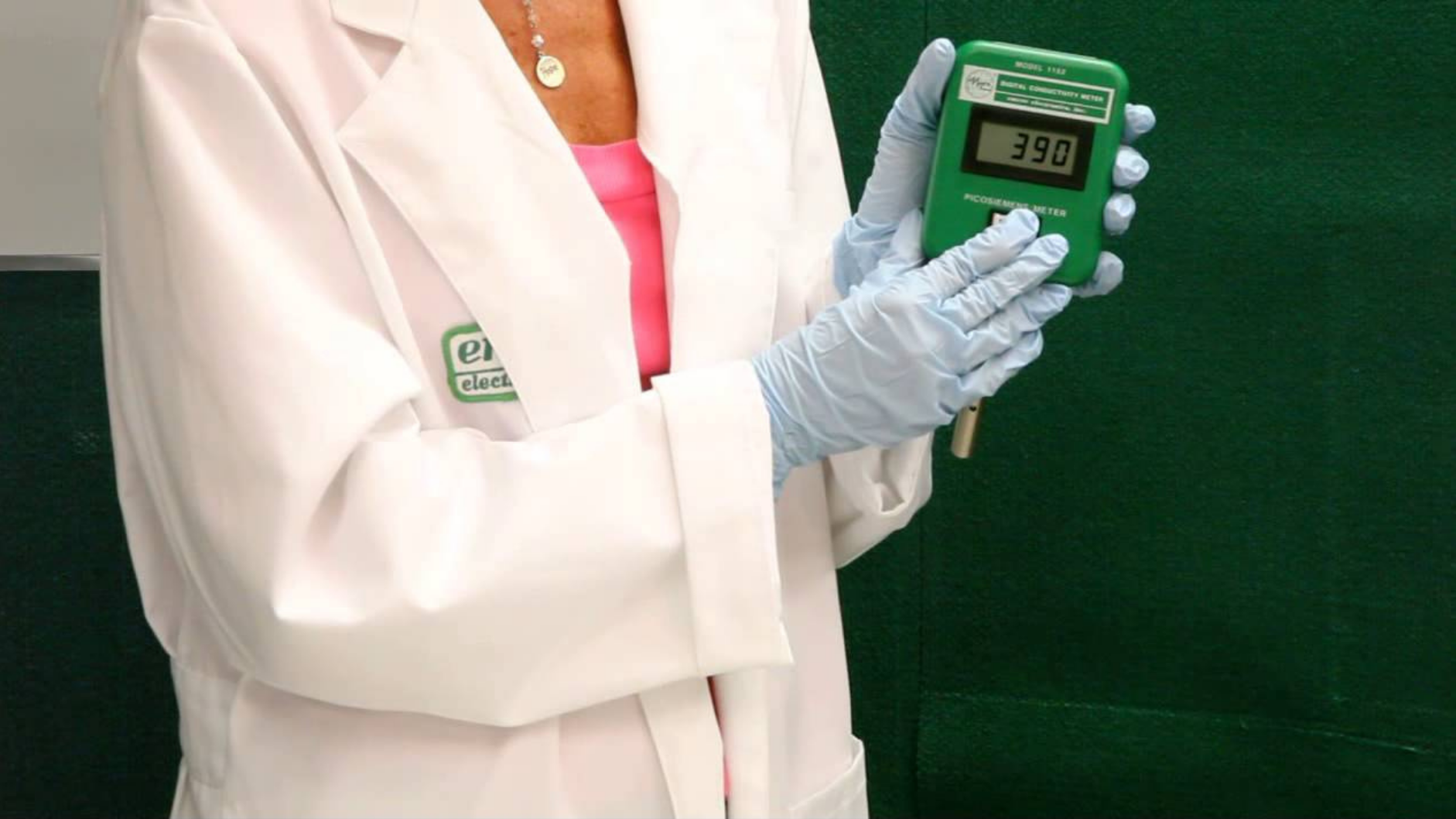
The instrument’s compact, handheld form factor and battery-powered operation mean it moves easily between the laboratory bench and the field. With an optional cable reel kit extending reach up to 50 feet, it can also be deployed directly into large storage tanks or tanker trucks without requiring additional infrastructure.
 ASTM D2624 Compliant
Intrinsically Safe
Fully Self-Contained
Self-Check Calibration
ASTM D2624 Compliant
Intrinsically Safe
Fully Self-Contained
Self-Check Calibration
Related Resources
 PAC Products
 Tech Notes
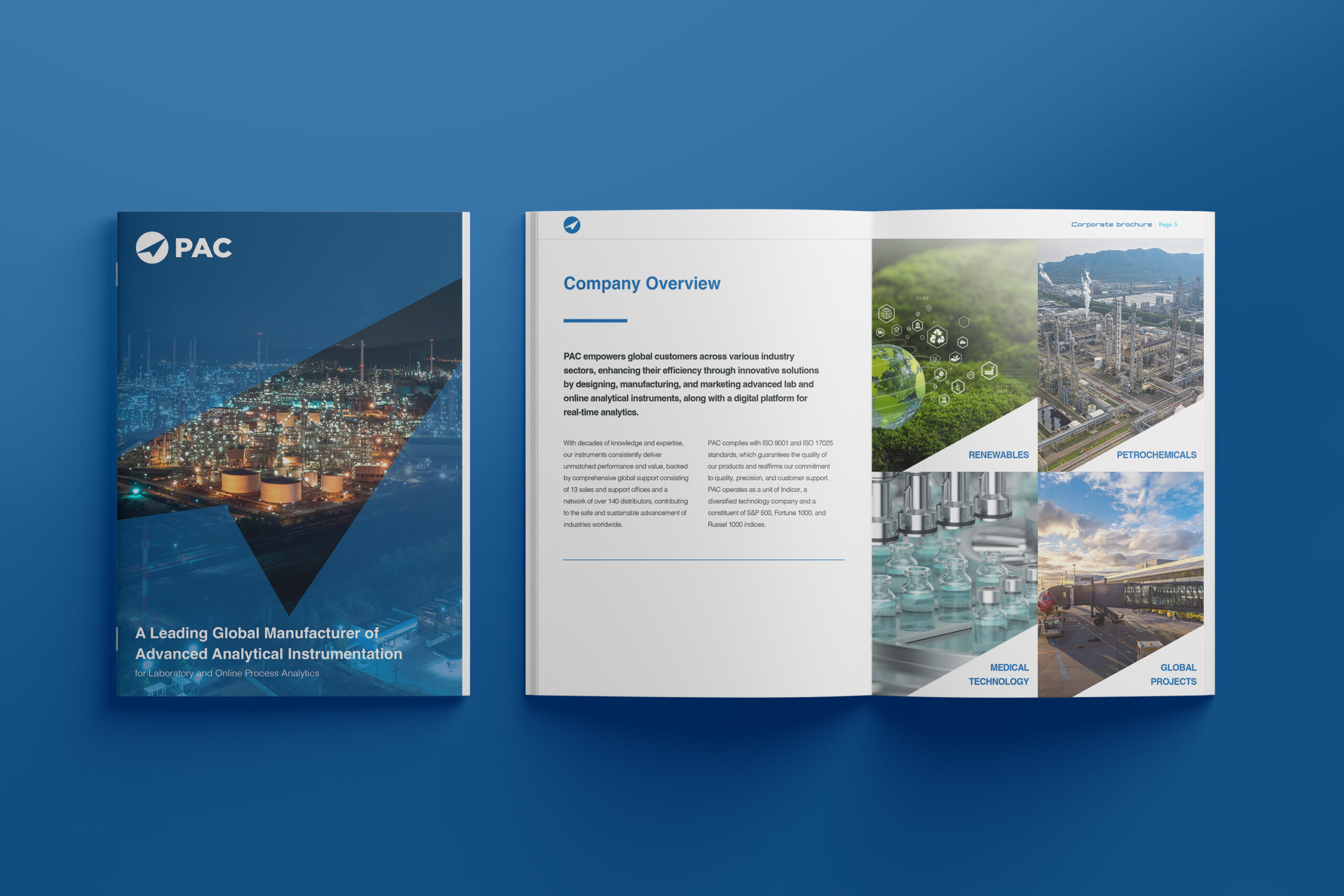
PAC Overview Brochure
Discover PAC’s comprehensive portfolio of solutions designed to elevate your laboratory operations, streamline process workflows, and deliver powerful digital insights. Download the full PAC Overview...
Read More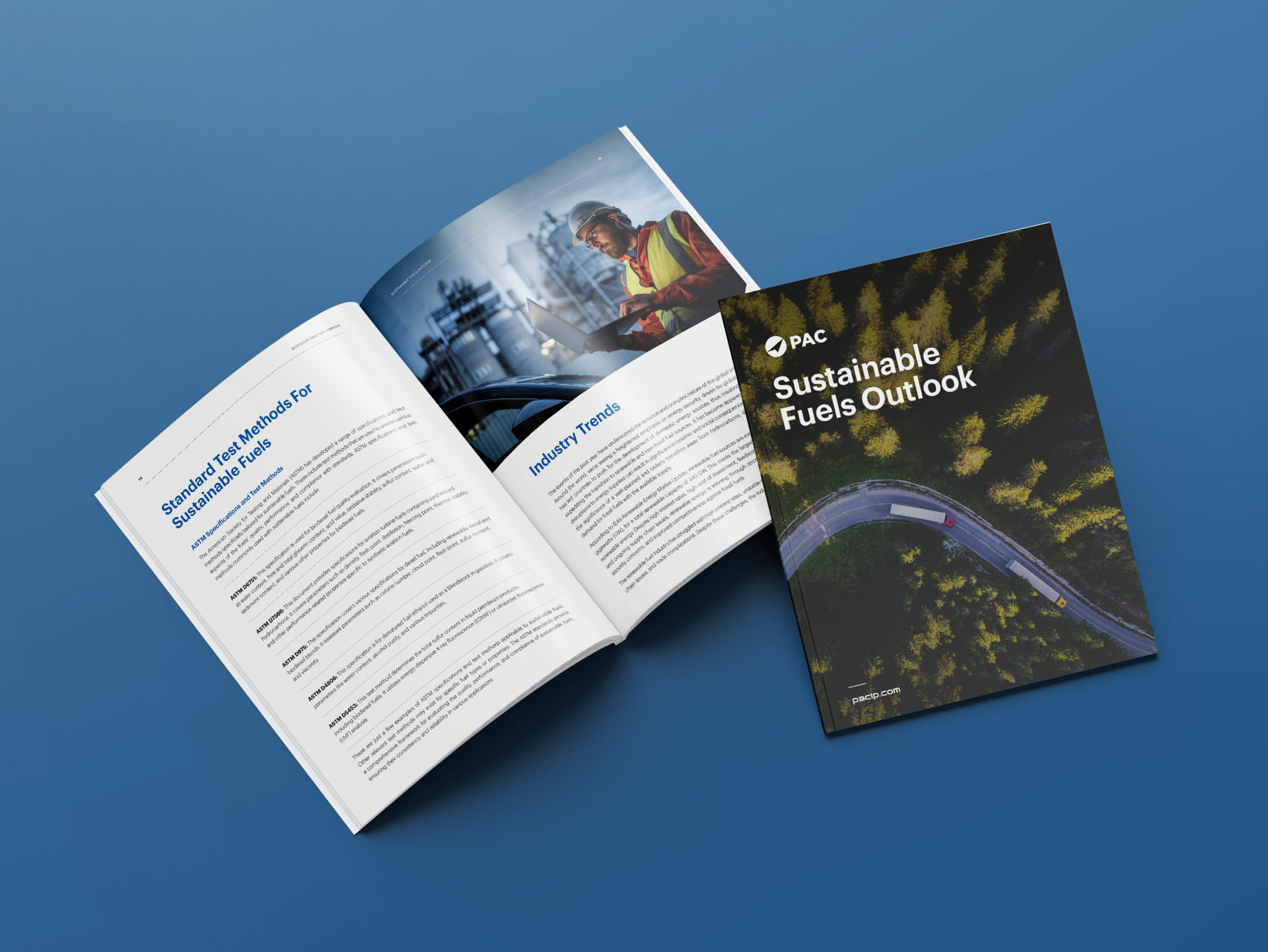
Guide: Sustainable Fuels Outlook
PAC’s Sustainable Fuels Outlook provides an in-depth analysis of the current energy industry, where regional differences in the pace of transition and global uncertainty shape...
Read More
Transforming the Industry with PACe Digital Ecosystem
Transforming the Industry with PACe Digital Ecosystem.
Read More


