
Store
Global Offices
A gloved hand pours yellow liquid into a lab flask, beside measurement tubes and a microscope. The scene conveys precision in a laboratory setting.

Waste Plastic Pyrolysis Oil

The Guide for Pyrolysis of Waste Plastics Has Been Set.

Now Measure Up to It.

World annual plastic production has exceeded 400 million metric tons, yet the average recycling rate remains below 10%. Chemical recycling is rewriting what’s possible in the circular economy — and pyrolysis is leading the way, whether applied to waste tires, plastics, or various types of biomass.


But feedstock variability and inconsistent end-product properties can quickly undermine credibility. That’s where ASTM D8577 comes in: a newly published guide for waste plastic process oil (WPPO) that sets the standard. PAC instruments are engineered to make the methods within it a repeatable reality, not just a theoretical benchmark.

Explore PAC's WPPO Solutions

Explore PAC's WPPO Solutions

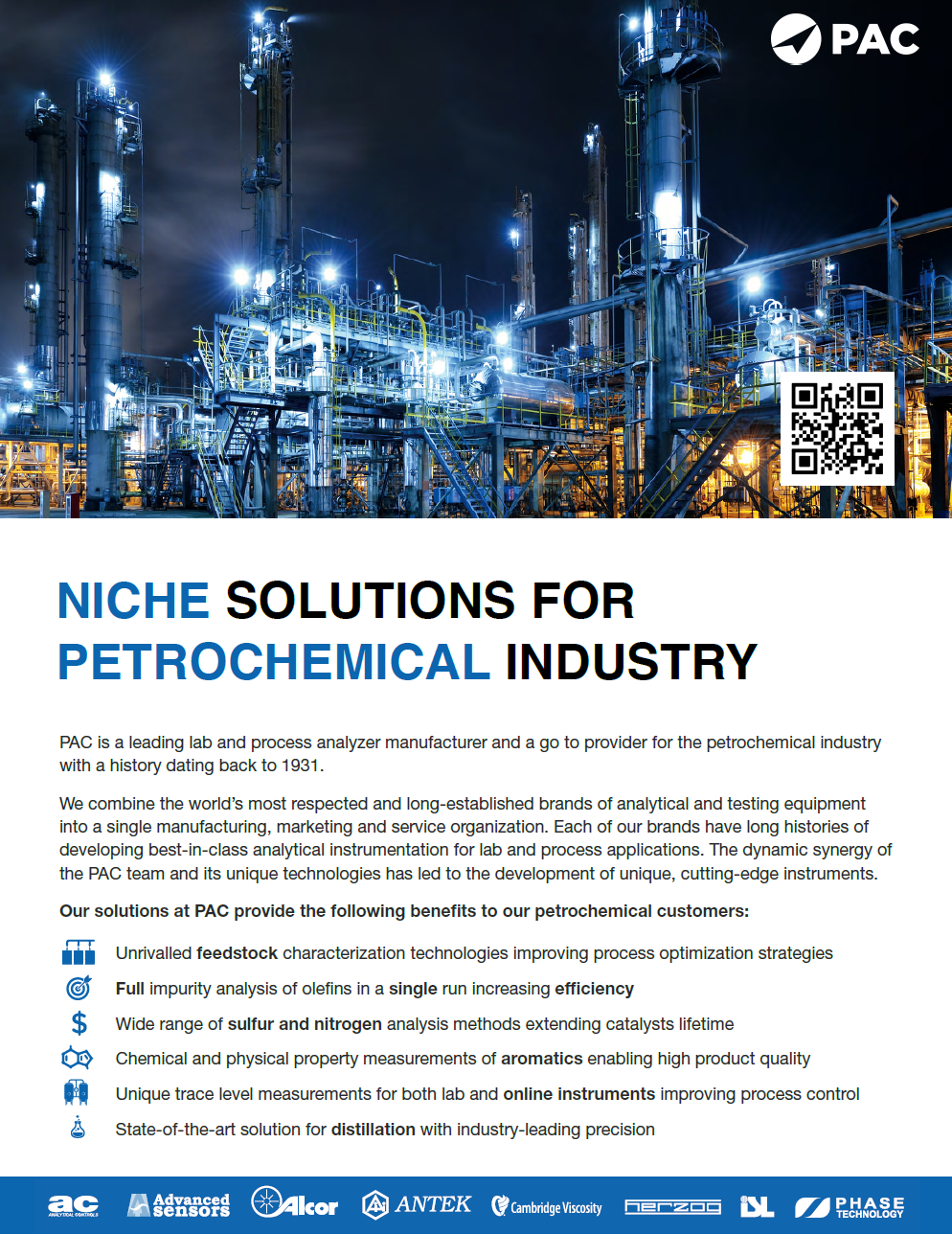
Industrial complex at night with bright lights and numerous towers. Text below reads
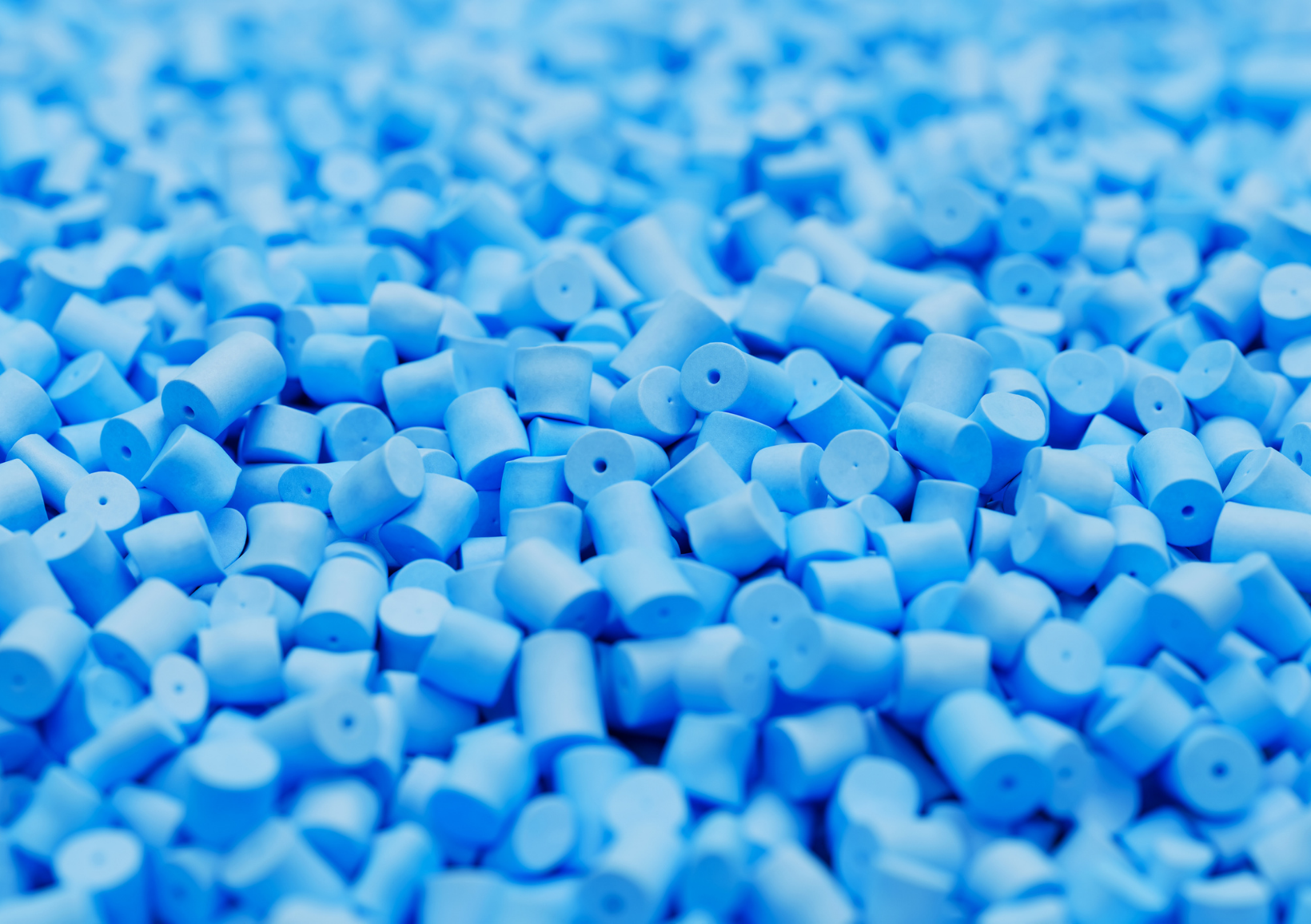
Close-up of numerous small blue plastic pellets, cylindrical in shape, creating a textured surface. The image conveys a sense of industrial production and waste plastic pyrolysis oil (WPPO).
D8577 - Standard Guide for Waste Plastic Pyrolysis Oil Analyses

ASTM Standard Guide

The ASTM Standard Guide for Waste Plastic Pyrolysis Oil Analyses (ASTM D8577) establishes the analytical foundation for evaluating WPPO – the feedstock bridging waste plastics and fuel or chemical production. Without consistent measurement, consistent quality is impossible. PAC offers a complete portfolio aligned with the guide’s methods, delivering repeatable measurements across WPPO samples – from distillation and flash point to elemental analysis and 2D gas chromatography.

Download the ASTM Guide ⟶

What Makes WPPO Different to Characterize

Unlike conventional petroleum feedstocks, waste plastic pyrolysis oils show wide compositional variation depending on plastic type, feedstock mix, and process conditions. ASTM D8577 addresses this by defining a consistent minimum test suite — so results are comparable across labs, batches, and suppliers.
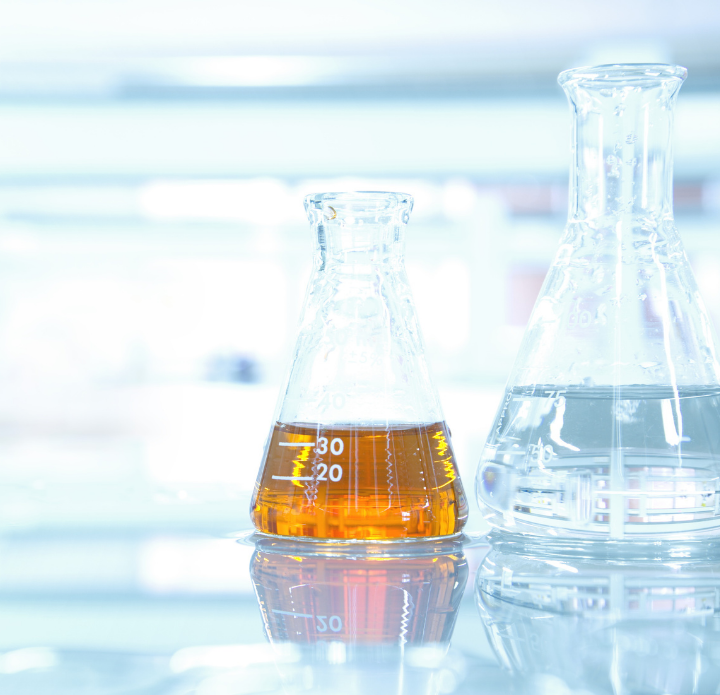
Two conical flasks on a reflective surface in a lab; one with amber liquid, the other with clear fluid. Bright laboratory environment for WPPO testing.

Compositional Variability Impacting Physical Properties

Flash points, viscosity, and boiling range distributions in WPPO shift significantly with feedstock and process. Without a standardized method set, test results between labs are difficult to compare or rely on for procurement decisions.


Blue background with various sized transparent bubbles, interconnected, creating a calming, fluid pattern. The image evokes a sense of serenity.

Elemental Contaminants Need Purpose-Built Detection

Sulfur, nitrogen, and trace oxygenates in WPPO can appear at concentrations and in forms not typically encountered in conventional crude. Instruments selected for standard petroleum may not provide adequate sensitivity or selectivity at the levels relevant to pyrolysis oil.

A gloved hand holds a pipette over a transparent tray with orange liquid, in a lab setting. The scene conveys precision and a scientific focus.

Traceability is Non-Negotiable for Trading and Blending

Whether qualifying a stream for coprocessing or reporting to a buyer, labs need documented, method-compliant results. ASTM D8577 provides the traceability framework, your instruments need to execute it reliably, every run.

Smiling man with short brown hair and glasses wearing a dark jacket over a shirt, standing against a plain white background, conveying a friendly demeanor.

The Results Speak for Themselves

When labs have the right instruments running the right methods on WPPO, the results speak for themselves. The guide doesn't leave interpretation open; it specifies what to run and why. Our role is making sure the analysis gets you there with confidence.”

Ortwin Costenoble, Director of Standardization, PAC
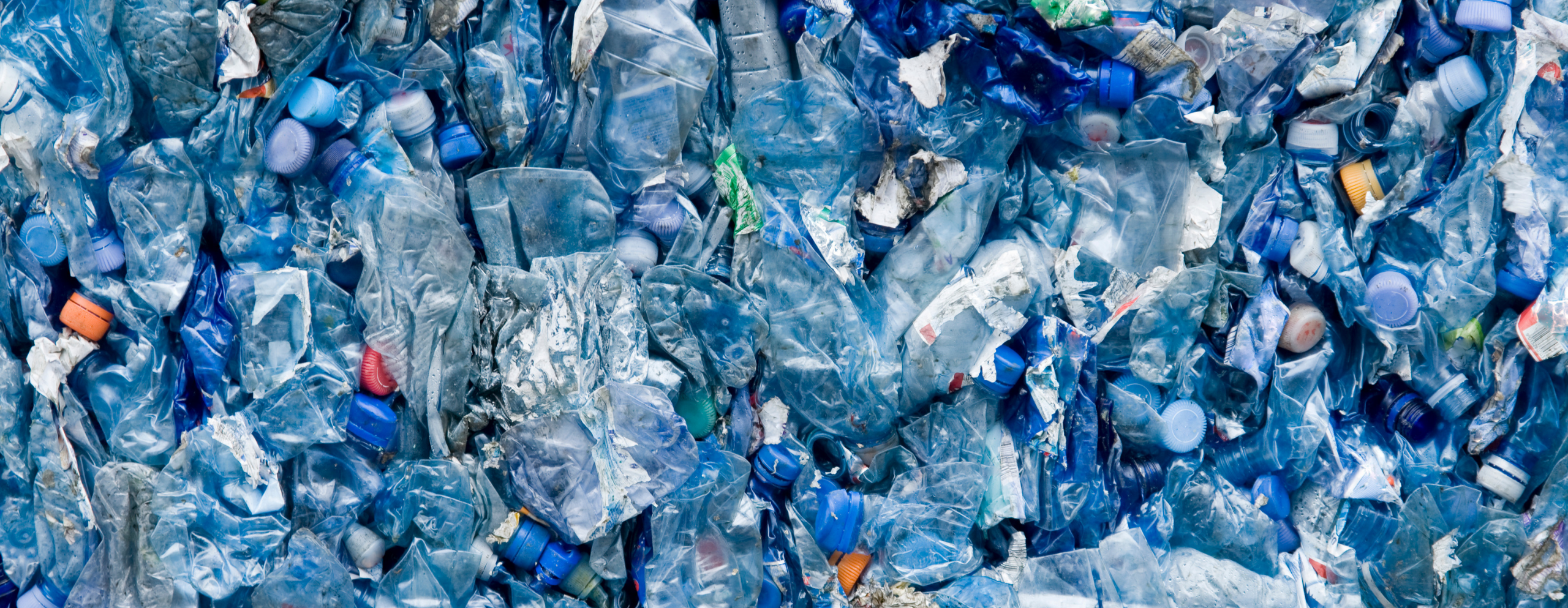
A densely packed pile of crushed, empty plastic bottles in various shades of blue, with some colorful caps visible. The image conveys the waste plastic pyrolysis process.

ASTM Waste Plastic Pyrolysis Oil D8577

Method Coverage

White image of a bold, simplistic lightning bolt icon. The design conveys energy and power with a clean, modern aesthetic.
Distillation · Flash Point · Viscosity · Pour Point

Physical Properties

Physical property testing establishes the behavioral envelope of a WPPO stream, its boiling profile, safe handling classification, flow characteristics, and low-temperature limits. These tests are typically the first screen for feedstock qualification and are required for transportation and blending specifications.

Simple line art depiction of the atomic structure with a nucleus and 3 orbiting electrons.
Sulfur & Nitrogen Determination

Elemental

Sulfur and nitrogen concentrations in WPPO vary significantly with plastic feedstock type and process conditions. Both affect downstream catalyst performance and emissions compliance. ASTM D8577 includes both methods as part of the minimum characterization suite.

Icon of a white line graph showing an upward trend. The image conveys growth and progress, often associated with business or analytics.
Oxygenates · Hydrocarbon · Simulated Distillation

Chromatography

Chromatographic and compositional testing reveals what's in the barrel at a molecular level, hydrocarbon class distribution, oxygenate impurities, and the full boiling range profile that distillation alone cannot resolve. These methods are essential for stream qualification and blend optimization.

Analytical Methods & Instrumentation Guide

The ASTM Standard Guide lists the methods for physical, chemical and elemental analysis of WPPO which addresses to various PAC instruments delivering them. All equipment comes with application notes based on real data collected by running varying WPPO samples, providing method-specific guidance on sample preparation, instrument configuration, and interpretation of results for pyrolysis oil matrices.

PAC Instrument
ASTM Method
Property / Measurement
Application Note

Physical Properties

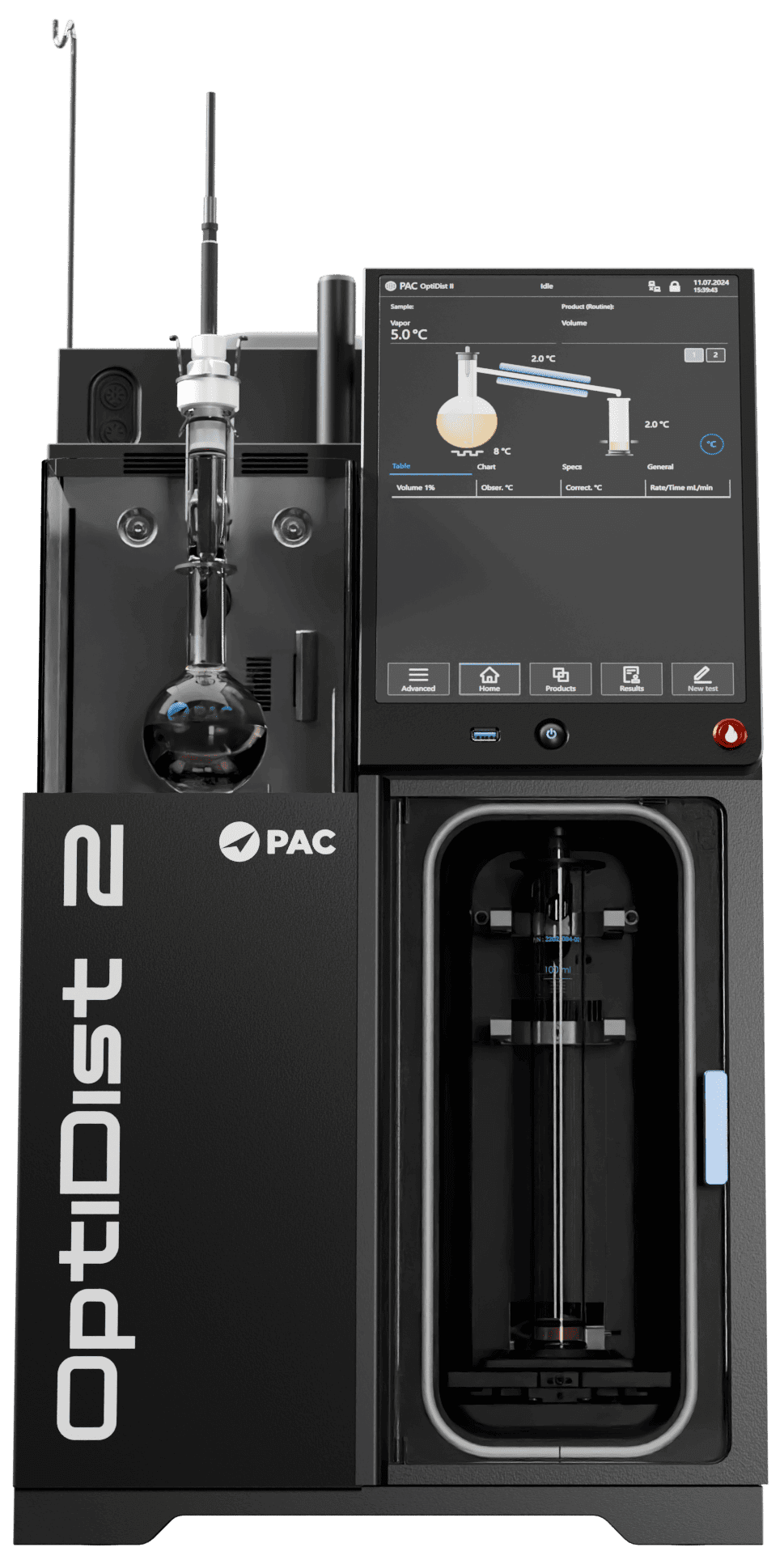
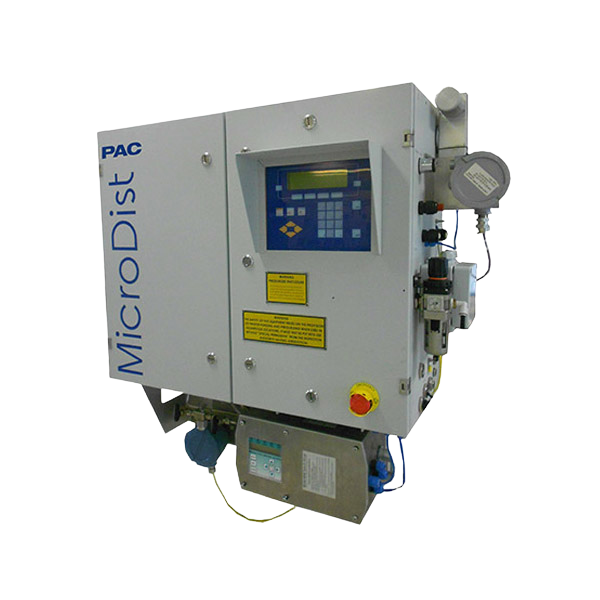
OptiDist 2

D86

Atmospheric distillation - full boiling range profile

OptiDist: Analysis of WPPO

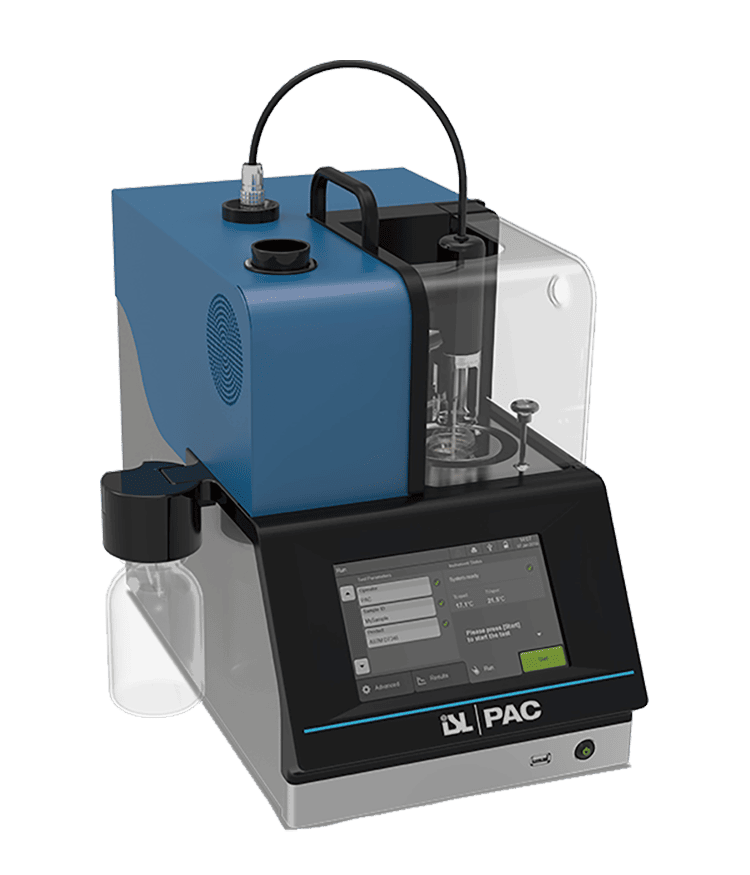
OptiPMD

D7345

Micro-distillation - rapid boiling range screening

OptiPMD: Analysis of WPPO

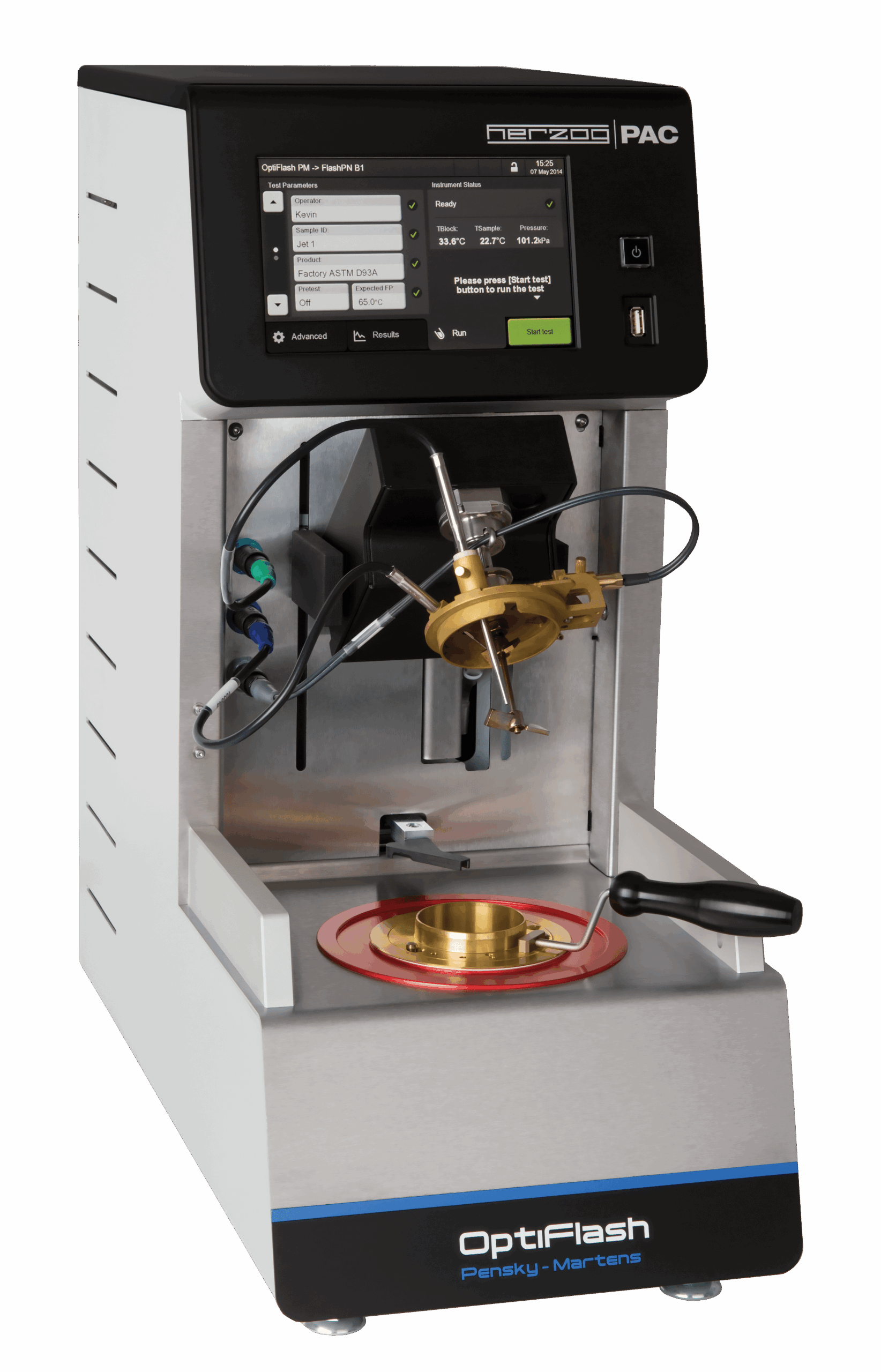
OptiFlash

D93 · D7236

Flash point

Flash Point Testing of WPPO

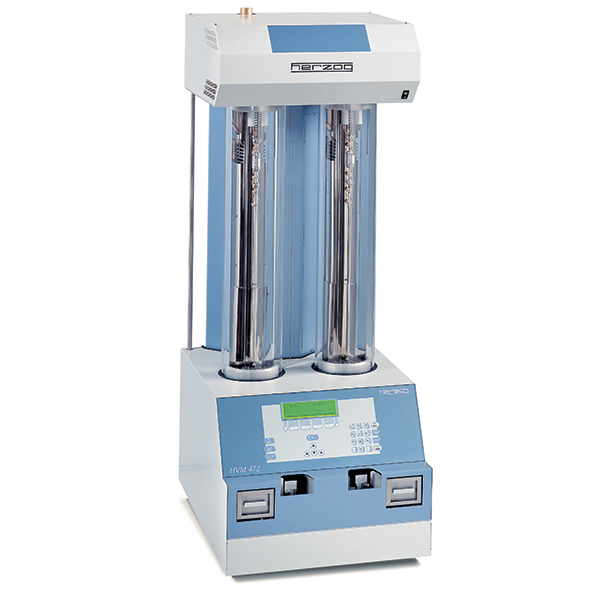
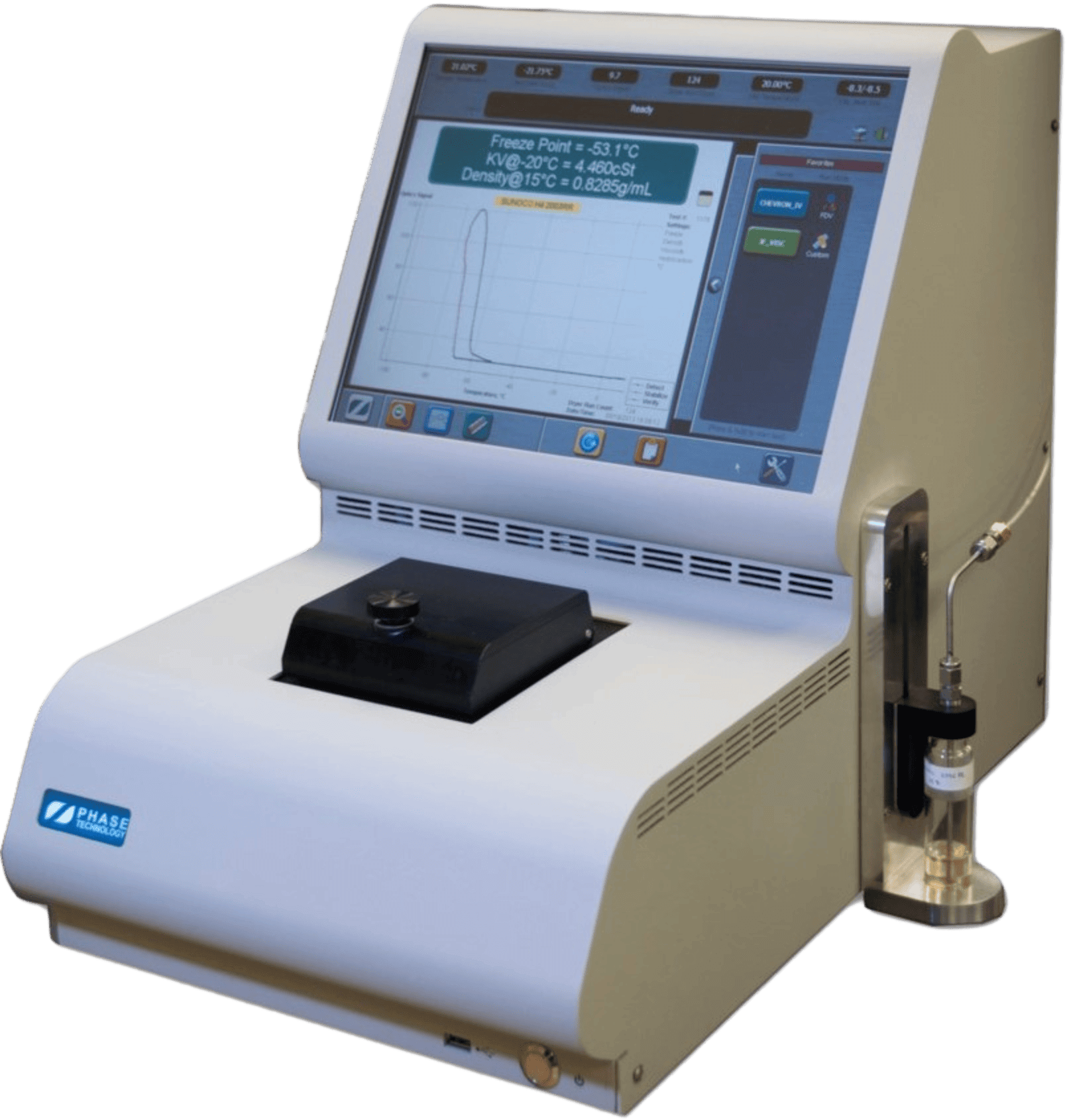
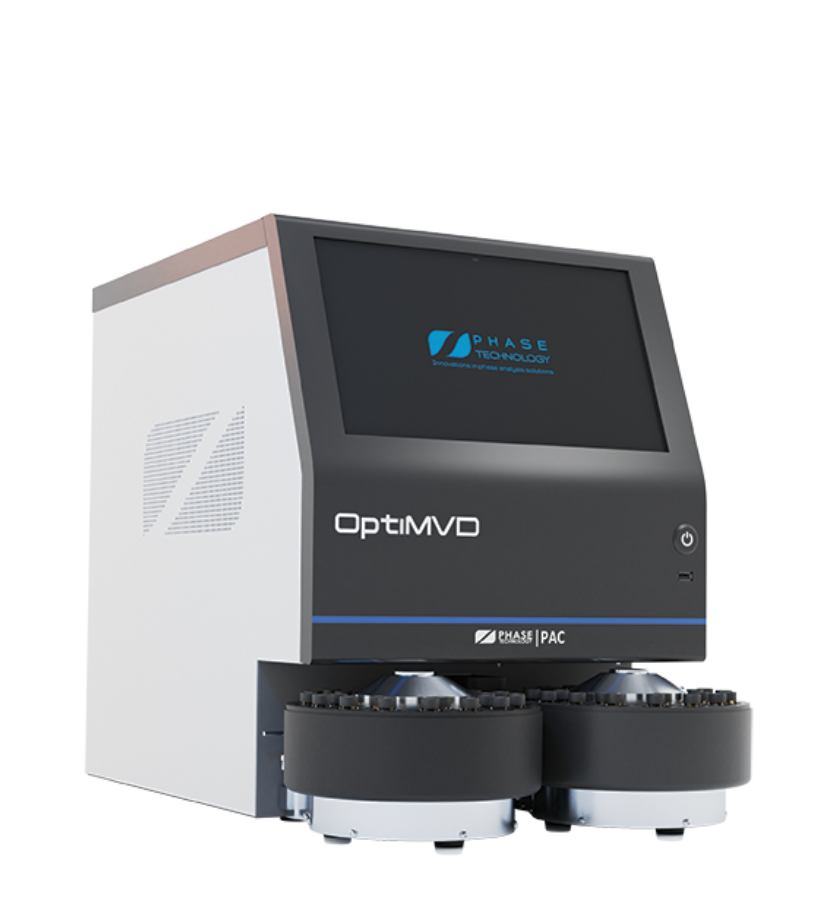
HVM472, DFA-70Xi, OptiMVD

D445 · D7945

Kinematic viscosity

HVM 472: Analysis of WPPO

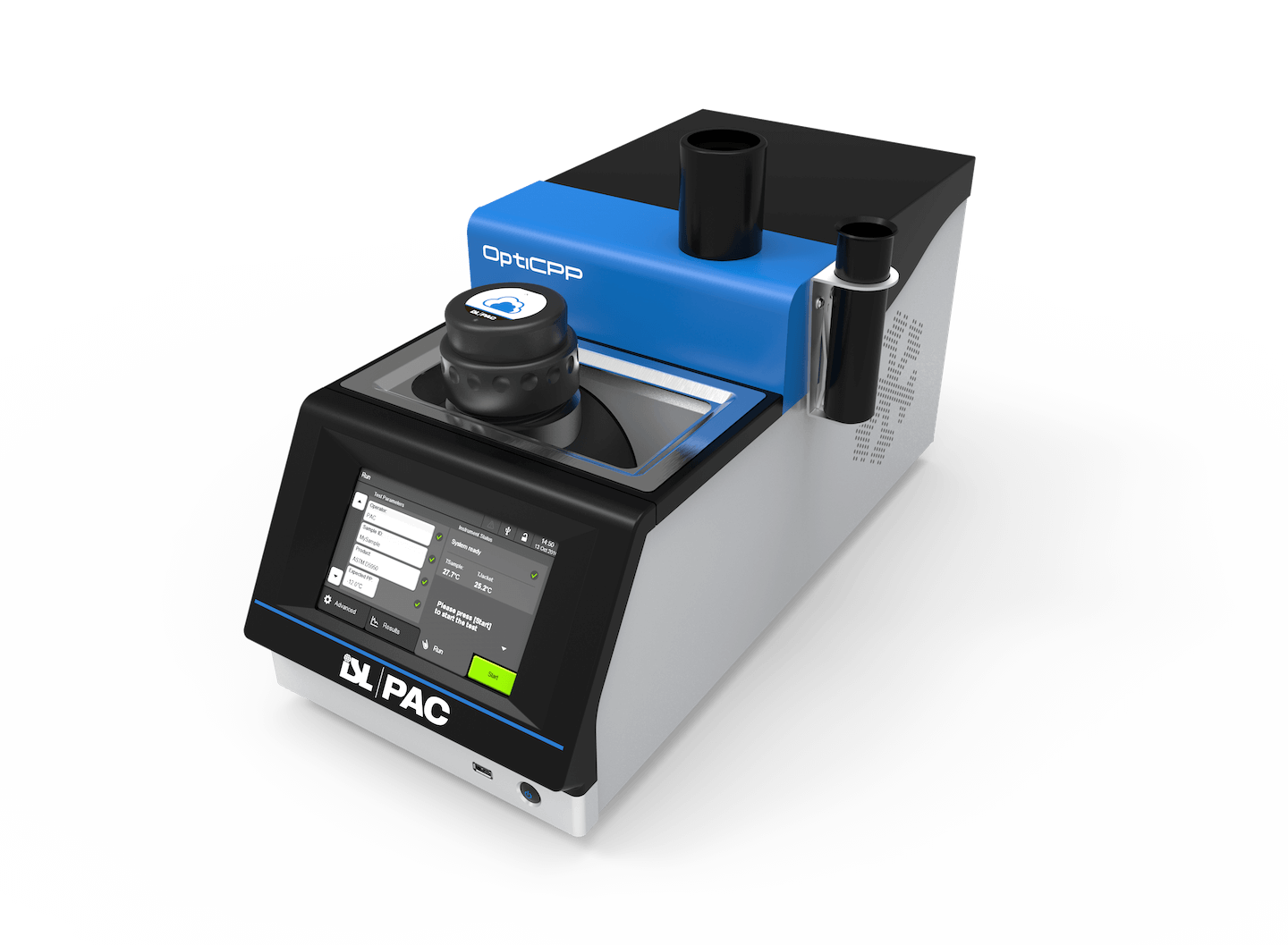
OptiCPP

D5950

Pour point

Pour Point Testing of WPPO

Elemental Analysis

ElemeNtS

D5453 · D5762

Total sulfur & nitrogen by UVF & chemiluminescence

Elemental Analysis of WPPO

Compositional Understanding

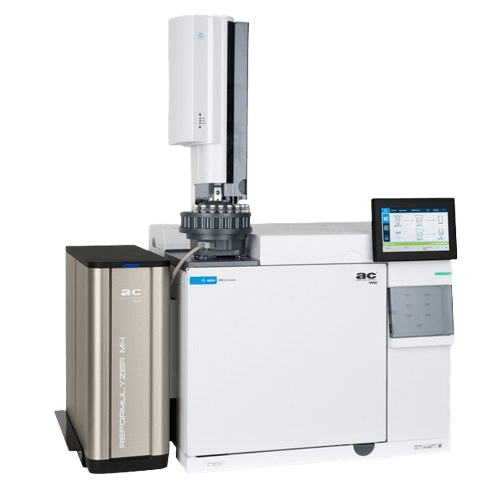
Reformulyzer M4 w/ Prefractionation

D6839

Hydrocarbon type, carbon number, classification

Reformulyzer Prefrac Analysis

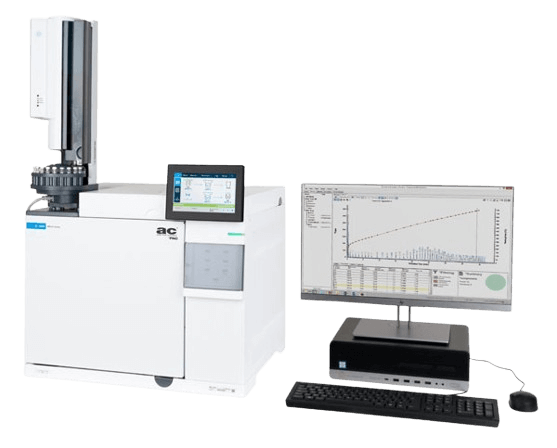
GC×GC System

D8396

2D GC-FID and flow modulation for group-type analysis

GCxGC-FID for WPPO Analysis

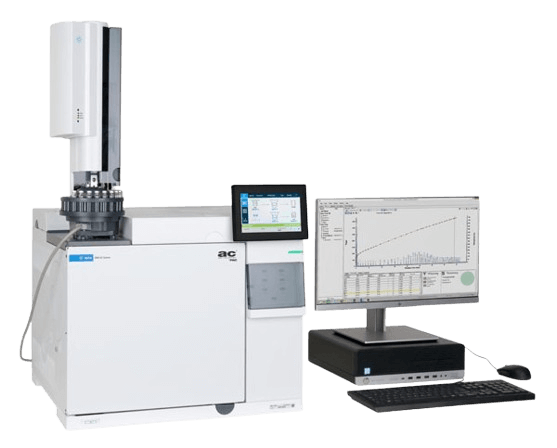
SIMDIS Analyzer

D2887 · D7169 · D7213 · D7500

Simulated distillation

SIMDIS: Analysis of WPPO

Looking beyond WPPO?

PAC’s petrochemical solutions portfolio covers the full range of refinery and chemical testing solutions.

Download the Petchem Brochure

Download the Petchem Brochure

Industrial complex at night with bright lights and numerous towers. Text below reads

Explore WPPO Solutions

Explore WPPO Solutions

Find Your Petrochemical Solution

Subscribe to Newsletter
I confirm that I have read and understood the Privacy Policy and consent to its terms.
img img img img check