

 Dr. Ramazan Oguz Caniaz


The aviation industry faces mounting pressure to reduce its environmental footprint. In response, Sustainable Aviation Fuel (SAF) has emerged as a critical solution to one of its most pressing challenges: decarbonization. SAF offers a huge reduction in greenhouse gas emissions and compatibility with existing aircraft infrastructure. Thus, it is no longer just an experimental idea; it’s a vital part of aviation’s roadmap to a net-zero future.
But what exactly is SAF, how does it work, and why is it gaining such momentum now? We are going to explore the science, potential, and growing market behind SAF. We will also examine how testing and quality assurance companies like Precision Analyzer Company (PAC) help SAF meet industry standards. From feedstock to flight, we will delve into how SAF is reshaping aviation. Finally, we will consider what it will take to scale this cleaner fuel to global levels.
What is SAF?
Sustainable Aviation Fuel (SAF) is a renewable, low-carbon alternative to traditional fossil-based jet fuel. Producers make it from sustainable feedstocks like used cooking oil, agricultural residues, algae, and even municipal solid waste. SAF is chemically similar to conventional jet fuel, making it a “drop-in” replacement. As a result, existing aircraft and infrastructure can use it without modifications.
SAF is part of a broader family of sustainable fuels. This family also includes bioethanol, biodiesel, hydrogen fuel, and synthetic fuels (e-fuels). These fuels aim to reduce greenhouse gas (GHG) emissions and dependence on fossil fuels. In turn, they offer a cleaner path forward for industries like aviation that are hard to decarbonize.
Why SAF?
The aviation sector contributes approximately 2–3% of global CO₂ emissions. Moreover, this figure will likely rise as air traffic increases. SAF presents one of the most practical and immediate opportunities to reduce aviation’s environmental impact. It offers up to 80% reduction in lifecycle greenhouse gas emissions compared to traditional jet fuel. However, the exact figure depends on the feedstock and production process used. Beyond CO₂ reduction, SAF also contributes to better air quality. Specifically, it emits lower levels of sulfur dioxide (SO₂), nitrogen oxides (NOx), and particulate matter. This can significantly improve environmental conditions around airports and reduce public health risks in nearby communities.
Perhaps one of SAF’s strongest advantages is its compatibility with existing aircraft engines and airport fuel infrastructure. It meets the same stringent performance and safety standards as conventional jet fuel. Therefore, it is a viable substitute with minimal operational barriers. However, challenges such as limited feedstock availability, high production costs, and the need for scaling up manufacturing remain. Addressing these barriers is crucial for widespread SAF adoption. To that end, ongoing collaboration across industry, government, and research institutions is key to making this shift a reality.
Market Potential for SAF
The global SAF market will likely grow rapidly as governments and industries increase their commitment to reducing carbon emissions. With more airlines pledging to reach net-zero emissions by 2050, SAF has become a cornerstone of many corporate sustainability strategies. Policy frameworks and government incentives are accelerating SAF production and use, while investor interest in clean aviation technologies continues to grow.
Since the first SAF-powered test flight in 2008, more than 400,000 commercial flights have utilized SAF in various blend ratios. Current global SAF production accounts for a small fraction of total jet fuel demand. Nevertheless, capacity will likely expand significantly in the coming years. In fact, analysts project that SAF could make up a considerable portion of aviation fuel consumption by 2030. This is particularly likely if technological advancements and supportive policies align to overcome existing constraints.
SAF Production Pathways
There are several technologically validated and approved pathways for SAF production, each utilizing different raw materials and processing techniques. One of the most established methods is the Hydroprocessed Esters and Fatty Acids (HEFA) pathway. This pathway converts waste oils or animal fats into jet fuel through hydroprocessing. The Fischer-Tropsch (FT) synthesis process is another major route. First, it gasifies biomass like agricultural residue or wood chips into synthesis gas (syngas). It then converts the syngas into liquid hydrocarbons.
Another innovative method is Alcohol-to-Jet (ATJ), which converts ethanol or butanol into jet fuel. The process dehydrates the alcohol to produce olefins, then oligomerizes and hydrogenates them to form jet-fuel-range hydrocarbons. Additional pathways include Synthesized Iso-Paraffins (SIP) derived from fermented sugars. Similarly, Catalytic Hydrothermolysis (CHJ) uses lipids processed under high pressure and temperature. Newer technologies like HC-HEFA focus on algae-based feedstocks. Meanwhile, co-processing techniques allow refiners to blend SAF components with fossil-derived fuels during conventional refining.
Each of these pathways must meet rigorous performance and safety standards before approval for commercial use. As of today, nine SAF pathways hold approval, with others under evaluation and balloting. This reflects the sector’s dynamic and fast-paced innovation landscape.
How PAC Supports the SAF Journey
Through advanced testing and analytical solutions, PAC plays a vital role in ensuring the safety, compliance, and quality of SAF. Here’s how PAC contributes:
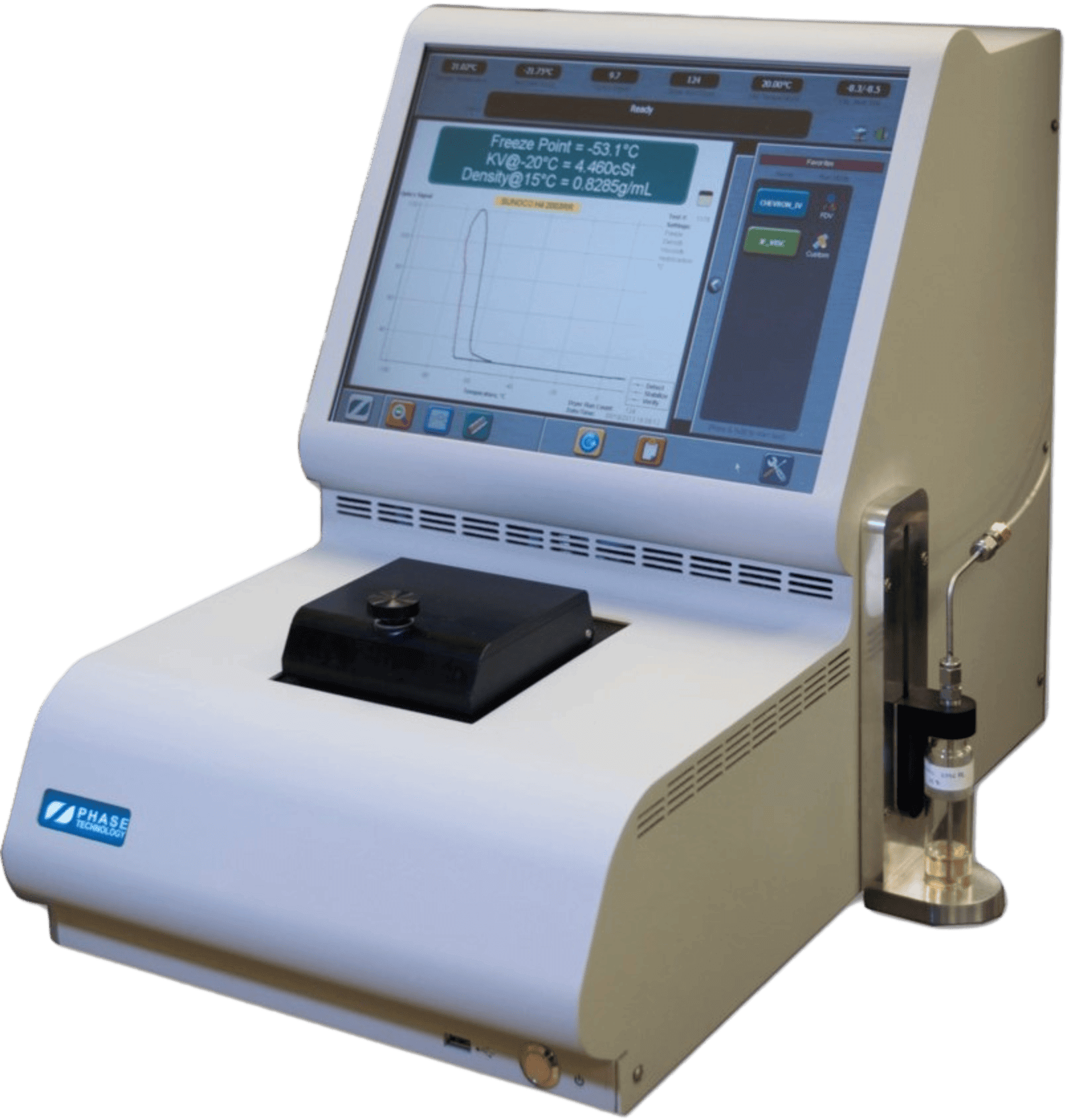
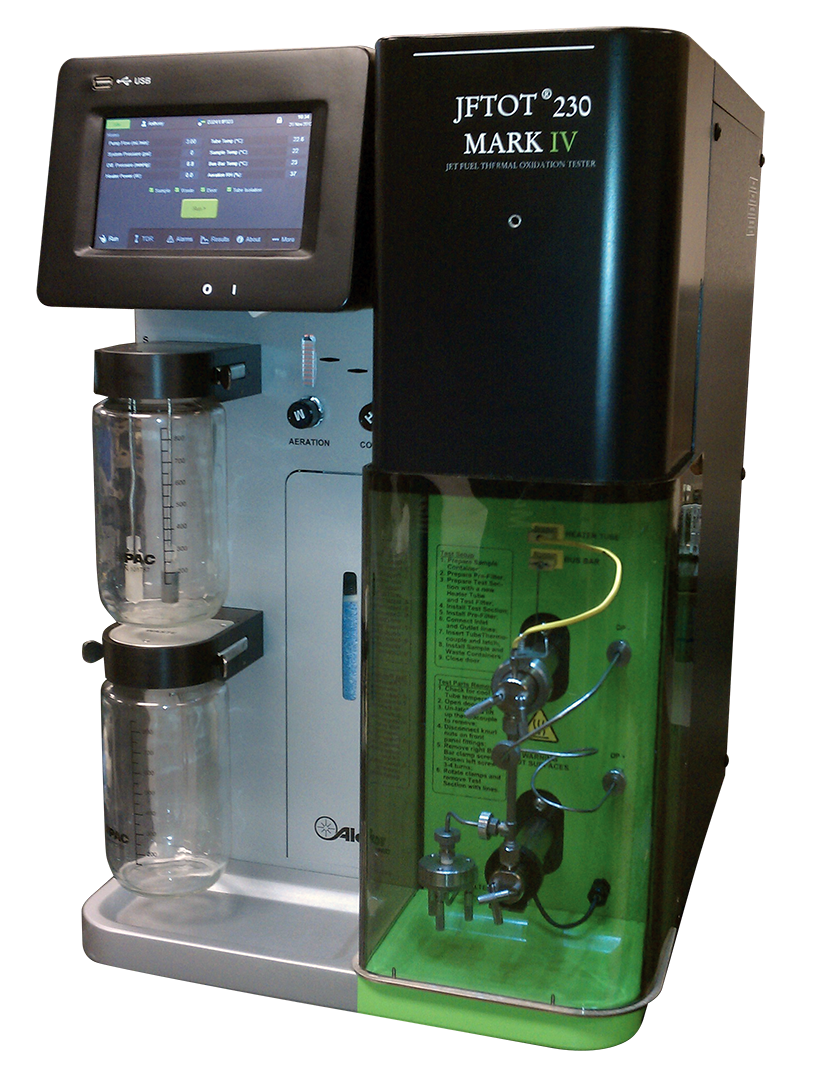
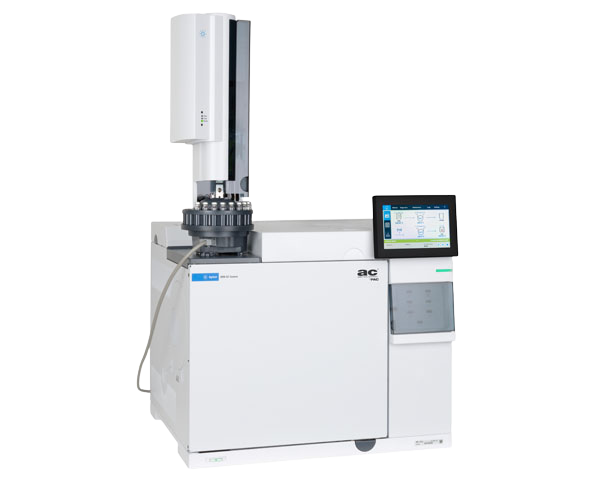
PAC provides a wide array of testing instruments tailored for key fuel properties. These include freezing point, viscosity, sulfur content, aromatics, and more. In turn, these tools help ensure that SAF meets strict global specifications such as ASTM D7566, D1655, and DEF STAN 91-91. For example, labs use instruments like the JFA-70Xi and JFTOT Mk IV to determine freezing points or thermal stability. These critical tests are essential for SAF validation and certification.
In addition to product capabilities, PAC offers deep application knowledge based on decades of experience in aviation fuel analysis. This makes it possible to meet your customized needs with application-specific solutions. On top of that, PAC can help you analyze various emerging feedstocks as well as intermediate process streams. This ensures efficiency and uptime in addition to trusted end-product quality. For decades, PAC has also actively participated in standardization bodies like ASTM. This work helps the industry overcome challenges around guidelines and specifications for new products, including SAF.
All of these position PAC as a trusted partner in the ongoing effort to commercialize SAF. PAC helps the aviation industry not only meet today’s stringent standards but also adapt to future regulatory and technological developments. Feel free to reach out to learn more about our application-specific solutions. These cover physical or chemical analysis, both in the lab and online.
Conclusion
Sustainable Aviation Fuel is not just a cleaner alternative; it’s essential for the future of flight. The world is seeking ways to reduce carbon emissions and mitigate the effects of climate change. In this effort, SAF stands out as a viable, scalable solution for one of the most difficult sectors to decarbonize.
With ongoing advancements in technology, supportive policy, and cross-sector collaboration, SAF is on track to become a cornerstone of sustainable aviation. Through its testing solutions, technical expertise, and compliance assurance, PAC is helping the industry take off toward a cleaner, greener future.
As SAF adoption accelerates, partner with PAC to ensure your fuel quality and compliance stay ahead of evolving industry standards.
Dr. Ramazan Oguz Caniaz is the Global Product Manager in charge of Petrochemicals and Renewables Industries at Precision Analyzer Company (PAC).